How Do I Move Sensitive Medical or Lab Equipment Safely?
Sensitive medical and laboratory equipment is not something you simply unplug, wrap, and load onto a truck.
From -80°C freezers and centrifuges to microscopes, analyzers, biosafety cabinets, imaging systems, refrigerators, incubators, and specialty research equipment, these assets often come with strict handling requirements, calibration needs, temperature concerns, chain-of-custody expectations, and operational risk. One wrong move can lead to damaged equipment, lost research materials, project delays, safety issues, or unnecessary downtime.
That is why healthcare and laboratory relocations require a very different approach than a standard commercial move.
Hoffberger Moving Systems specializes in medical, laboratory, healthcare, education, and research relocations throughout the Mid-Atlantic region. Our teams understand that these moves are not just about transporting equipment from one building to another. They are about protecting critical assets, maintaining continuity, coordinating with multiple stakeholders, and helping facilities get back up and running with confidence.
Below are the key steps to moving sensitive medical or lab equipment safely.
Step 1: Assess and Plan Early
The safest medical and lab moves begin long before move day.
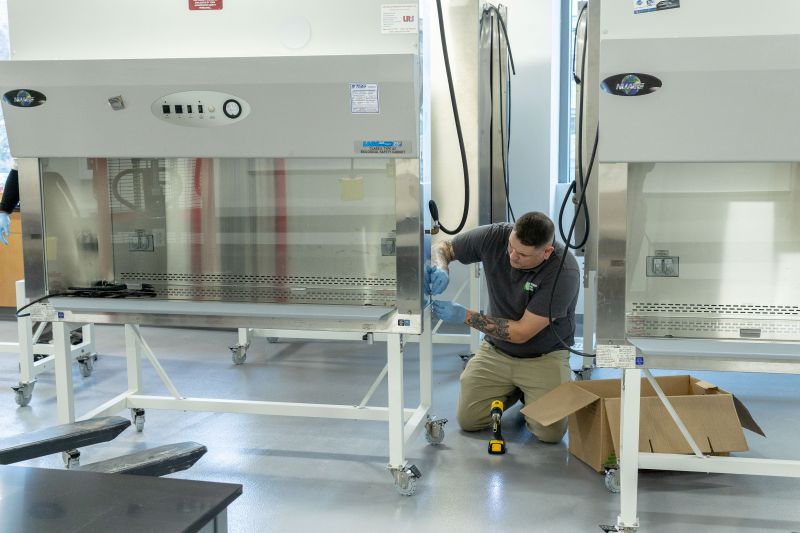
A successful relocation starts with pre-move planning meetings, on-site assessments, department-by-department coordination, and a clear understanding of what each piece of equipment requires. Sensitive equipment may need vendor support, special handling, advance decontamination, controlled access, dedicated power, security protocols, or careful sequencing around active operations.
During a project walkthrough, Hoffberger Moving Systems reviews the equipment being moved, access routes, elevator restrictions, loading dock conditions, floor protection needs, parking limitations, staging areas, and delivery paths at the destination. This helps identify risk points before crews arrive on-site.
For example, a freezer may physically fit through a doorway but require special attention to remain upright, powered, protected, or staged in a specific order. A biosafety cabinet may need to be coordinated with an environmental health and safety team or OEM-certified provider. A hospital move may require access through secure areas, loading zones, patient-care-adjacent spaces, or limited service elevators.
Once those details are understood, HMS creates a detailed move plan and timeline designed to minimize disruption. This plan may include equipment inventories, labeling systems, move sequencing, staffing plans, truck assignments, staging plans, vendor coordination, and communication procedures for move day.
Tip: Engage your moving partner at least 4–6 weeks before your move whenever possible. Larger laboratory, hospital, university, or multiphase healthcare projects may require even more lead time.
Step 2: Know Your Equipment's Requirements
Not all sensitive equipment is sensitive in the same way.
Some items are mechanically sensitive, meaning they can be affected by vibration, tipping, shock, or improper leveling. Examples may include centrifuges, microscopes, imaging systems, and analyzers.
Other items are electrically sensitive and may require proper shutdown, disconnection, power management, anti-static protection, or support from an Original Equipment Manufacturer, also known as an OEM.
Some equipment is environmentally sensitive and may need temperature control, clean handling, contamination prevention, or careful coordination around biological, chemical, or research materials.
This is especially important for equipment such as:
- -20°C and -80°C freezers
- Refrigerators and incubators
- Biosafety cabinets
- Centrifuges
- Microscopes
- Mass spectrometers
- Analyzers
- Fume hoods and tissue culture hoods
- Imaging and diagnostic equipment
- Research and clinical laboratory instruments
HMS regularly works alongside OEM service providers, facility teams, lab managers, safety officers, and department heads to make sure equipment is properly prepared before transport and properly supported after delivery. In many cases, the mover should not be the party disconnecting, deinstalling, reinstalling, calibrating, or certifying specialized equipment. The right approach is to coordinate the move around the vendors and internal experts responsible for those systems.
Special Considerations for Temperature Controlled Equipment
Temperature-sensitive equipment requires additional planning. Freezers and refrigerators may contain valuable research materials, samples, medical supplies, or other temperature-sensitive contents. Depending on the scope, equipment may need to remain powered during staging or transport.
HMS has experience moving ultra-low temperature freezers under power during transit, including projects involving multiple -80°C freezers. In these situations, planning may include generator support, route timing, temperature monitoring, backup procedures, and clear communication between the moving team and the client’s project leads.
The goal is simple: reduce exposure, reduce uncertainty, and protect the contents as well as the equipment itself.
Step 3: Use Proper Packaging Protection
Sensitive equipment requires more than moving blankets.
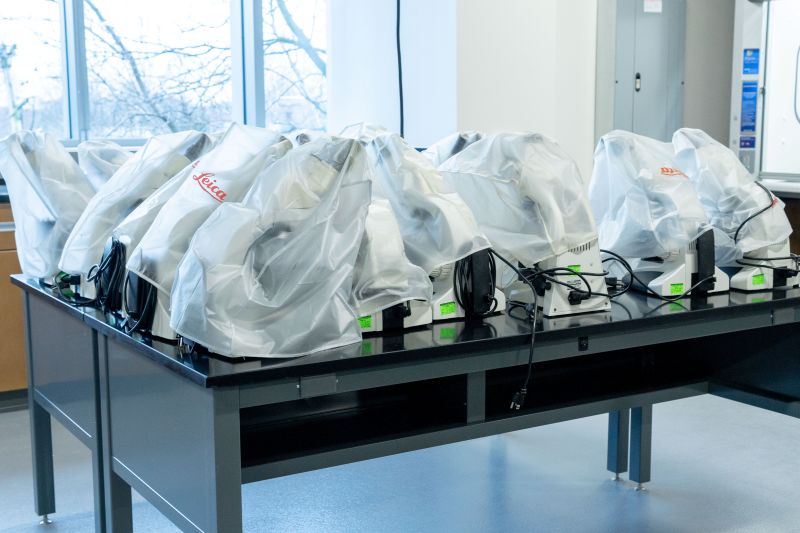
Depending on the asset, proper protection may include commercial-grade packing materials, anti-static wrapping, custom crating, foam protection, specialty carts, secure strapping, corner protection, floor protection, elevator protection, and careful load planning inside the truck.
Fragile components, glass, screens, sensors, casters, doors, handles, and external attachments may all require special attention. A piece of equipment may be heavy and durable in one sense but extremely vulnerable in another. That is why the protection method should match the equipment, not just the size of the item.
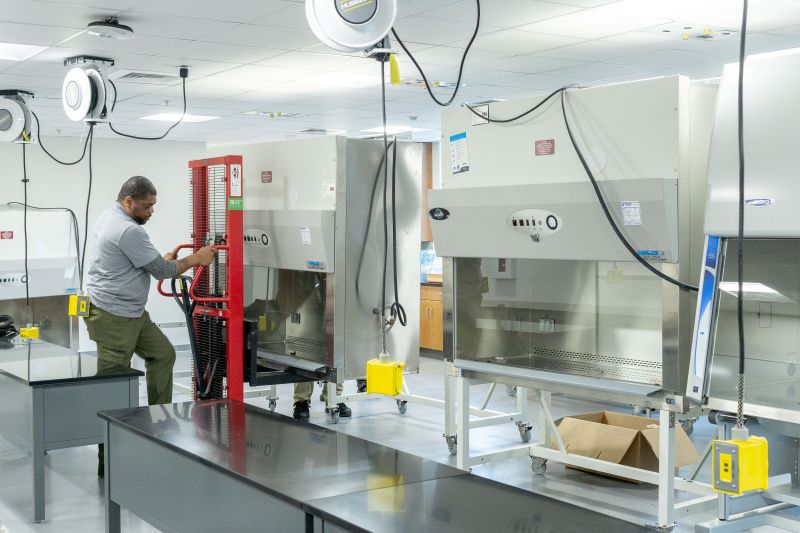
Hoffberger Moving Systems uses specialized equipment and resources for healthcare and laboratory moves, including air-ride trucks, liftgates, floor and wall protection, secure loading procedures, and climate-controlled vehicle options when needed. The right equipment helps reduce vibration, avoid unnecessary handling, and protect both the asset and the facility.
For medical and lab environments, protection also applies to the building itself. Hospitals, clinics, universities, and research facilities often require strict care around corridors, door frames, elevators, patient-facing spaces, clean areas, and active work zones.
A safe move protects the equipment, the space, the schedule, and the people working around the move.
Step 4: Coordinate Transportation Carefully
Transportation is where planning, protection, and communication come together.
Sensitive equipment should be moved with clear chain-of-custody procedures, accurate labeling, careful sequencing, and real-time communication between the field team and project manager. For temperature-sensitive items, the plan may also include temperature checks, generator support, or monitoring procedures.
HMS uses a GPS-equipped fleet and maintains real-time communication with project managers and field crews throughout the move. This is especially valuable when navigating hospital campuses, university research buildings, government facilities, secure environments, active construction sites, or buildings with limited access windows.
Healthcare and laboratory moves often involve more stakeholders than a typical office relocation. Facilities, security, IT, lab managers, department heads, OEM vendors, safety officers, and construction teams may all need to coordinate around the same move schedule. A qualified moving partner helps keep those details organized and moving in the right order.
HMS drivers, movers, and technicians assigned to healthcare and laboratory projects are trained for the specialized requirements of these environments, including awareness of HIPAA-related privacy considerations and lab safety expectations. That training matters because crews may be working around sensitive spaces, restricted areas, patient-related materials, research environments, or equipment tied to confidential operations.
Step 5: Reinstall, Reposition, and Support After the Move
A sensitive equipment move is not finished when the truck is unloaded.
Many medical and laboratory assets need to be placed in a precise location, leveled, reconnected, recalibrated, inspected, certified, or tested before use. Some items require OEM support. Others require coordination with internal facilities, IT, biomedical engineering, lab safety, or department teams.
HMS supports the post-move process by positioning equipment according to the move plan, helping with final placement, coordinating with vendors, and addressing post-move adjustments when needed. The goal is to make sure every piece of equipment ends up where it belongs and that the client’s team can complete any required reinstallation, testing, or certification efficiently.
For phased projects, renovations, construction moves, or equipment transitions, HMS can also provide warehousing and staging support. Temporary storage may be useful when equipment cannot move directly into its final location, when construction schedules shift, or when departments need to keep assets organized between phases.
This is especially valuable for hospitals, labs, medical offices, and research facilities that cannot afford confusion, clutter, or misplaced equipment during a transition.
Move Sensitive Medical and Lab Equipment With Confidence
Moving sensitive medical or laboratory equipment safely requires more than manpower. It requires planning, specialized equipment, trained crews, vendor coordination, risk awareness, and experience in complex healthcare and research environments.
Hoffberger Moving Systems brings that specialized approach to hospitals, laboratories, universities, medical offices, research facilities, and healthcare organizations throughout the Mid-Atlantic region.
Whether you are moving a single department, relocating an active lab, consolidating medical offices, supporting a renovation, or planning a multiphase healthcare relocation, HMS can help you build a move plan that protects your equipment, your timeline, and your operations.